Boundaries You Can Walk and Work With
Fence Line & Property Line Clearing in Jacksonville for wooded parcels where the boundary has grown shut over years
Wooded parcels across the Jacksonville area are often divided by property lines that have disappeared under decades of undisturbed growth, leaving owners with boundaries they cannot walk, survey, or fence. Advantage Outdoors Land Services clears overgrown fence lines and property boundaries in Jacksonville, running a mulcher along the marked line to cut brush and small growth while leaving the trees that matter standing. The mulching process opens the line so it can be walked, surveyed, or fenced, and what you get is a boundary that is visible and accessible again.
The crew runs the mulcher along the marked line, cutting brush and small growth and leaving larger trees in place. Before the work starts, confirm where the line runs and whether survey pins or corners need to be located first, because clearing to the wrong line wastes time and money. The selective mulching process targets the understory and tangled growth that blocks access, not the mature timber that defines the property or provides shade.
Schedule a property evaluation to identify the boundary and confirm the scope of clearing needed.
What Proper Line Clearing Requires
Line clearing is not about pushing everything down. The mulcher cuts a corridor wide enough to walk and work along the boundary, turning brush and small growth into mulch that stays on the ground. Larger trees are left standing unless they fall directly on the line and block access, and that selective approach keeps the property wooded while making the boundary functional again.
Once the line is cleared, you will see a clean corridor that follows the boundary, with the ground covered in mulch and the understory opened up. Walking the line becomes straightforward, and surveyors, fence installers, or builders can work along the boundary without fighting through tangled growth. In areas like Waycross and Folkston, where wooded parcels are common, a cleared line is what owners need before they can fence, survey, or build.
The width of the cleared corridor depends on what you plan to do next. A fence line may only need eight to ten feet of clearance, while a boundary that will be surveyed or used for access might require more. Advantage Outdoors Land Services adjusts the approach based on the scope you confirm at booking, and the crew works to the marked line you provide.
Answers About How the Work Is Done
Property line clearing is requested most often before fencing or surveying, and the questions that come up focus on what gets removed, what stays, and how the boundary is marked once the work is finished.
What happens to the brush and small trees that are cut during line clearing?
The mulcher grinds brush and small growth into mulch that is left on the ground along the corridor, so there is no hauling or piling unless you request it. Larger trees that are left standing remain rooted and undisturbed.
How is the property line located before the crew begins clearing?
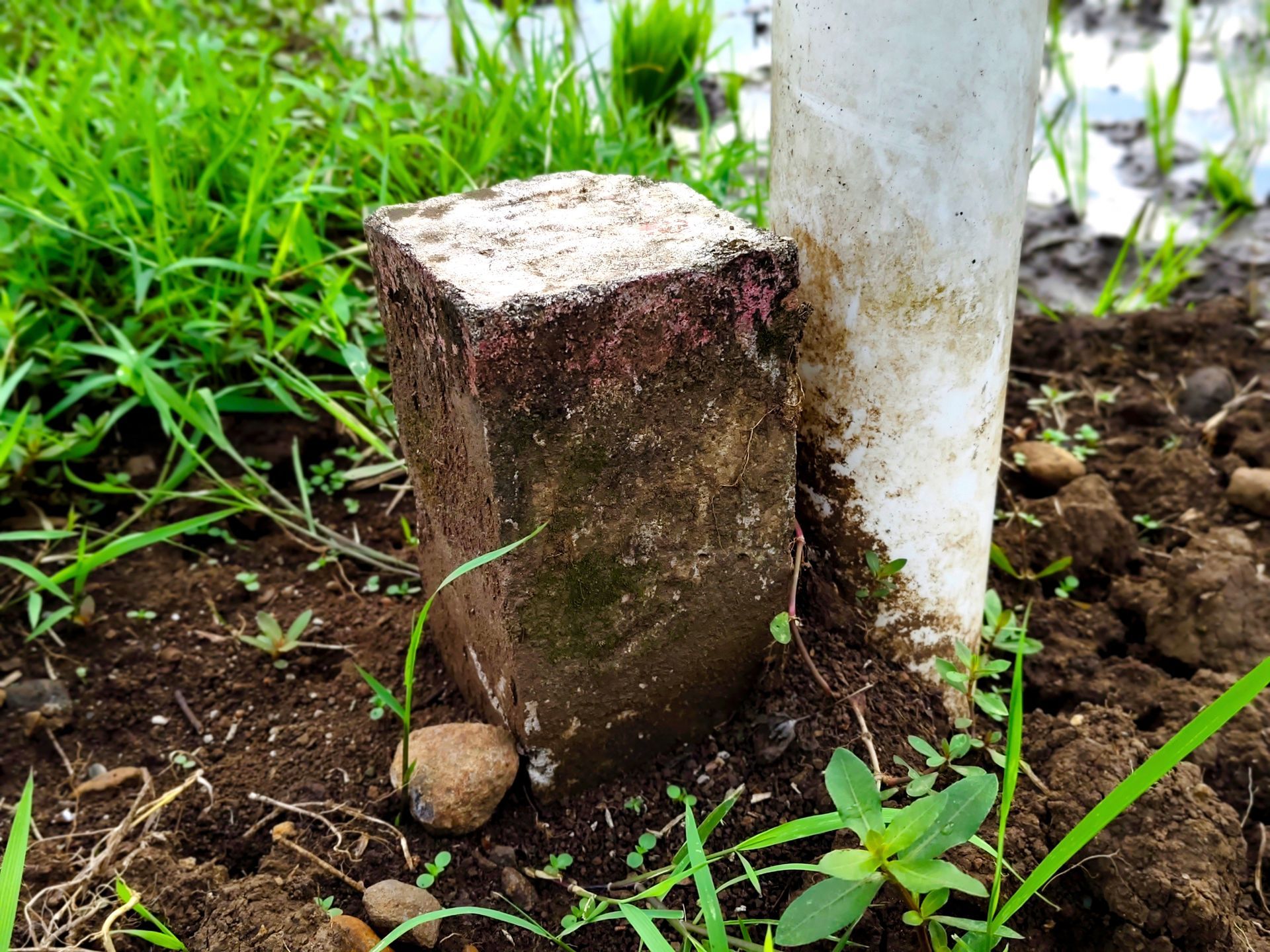
You provide the marked line, either from a recent survey or from visible markers like survey pins or flagging tape. If the line has not been surveyed recently or the pins are missing, the surveyor needs to locate the boundary before clearing begins, or the work may be done in the wrong place.
What does the cleared corridor look like once the work is finished?
You will see a defined path along the boundary, with the ground covered in mulch and the understory opened up. The corridor is wide enough to walk comfortably and work along, and the larger trees that frame the line remain standing.
Why are some trees left standing while others are cut during the clearing process?
The mulching process targets brush, saplings, and small growth that block access to the line, not the mature timber that defines the property or provides shade. Trees that fall directly on the marked boundary and block the corridor are removed, but the goal is to open the line without clearing the entire property.
How long does it take for regrowth to close the cleared corridor again?
Regrowth depends on the species mix and the amount of sunlight reaching the ground after clearing. In most cases, a cleared line will stay open for several years if it is maintained periodically, but fast-growing species like sweetgum or privet will begin filling in the corridor within two growing seasons if left alone.
Advantage Outdoors Land Services also
clears fence lines and property boundaries in Fernandina Beach, St. Augustine, Orange Park, Ponte Vedra Beach, and Palatka. Arrange an on-site evaluation to walk the boundary and confirm the clearing scope before the crew begins.